Practical Home Garden Synergy: Transforming Outdoor Spaces into Living Rooms
A practical guide to blending gardening, decor, and interior-inspired tactics for a seamless home improvement project that extends from inside to the yard.
Bringing the Outdoors Home: Planning for a Cohesive Garden and Interior
When you start a home improvement project that ties interior comfort to an outdoor retreat, you create spaces that feel intentional and connected. Begin by sketching sight lines from living areas to garden zones, noting how light shifts through the day and which plants will thrive in your climate. This approach ensures the garden complements decor choices rather than competing with them, and it helps you allocate resources efficiently. inertial measurement unit can simplify mapping the layout for precise, scalable plans.
From the first day, treat the project as a holistic home improvement endeavor rather than separate tasks. Consider how interior comforts translate outdoors, such as choosing seating that aligns with both lounge usability and garden shade patterns. Integrate plant material that echoes indoor textures—soft grasses, bold-leaf shrubs, and structural evergreens—to create continuity between rooms and the yard, strengthening your overall decor narrative without noise or clutter.
Soil, Sustainability, and Season-Long Gardening Wins
Healthy soil is the foundation of any thriving garden and a quiet form of home improvement that pays dividends through years of blooms and resilience. Start with a soil test to understand pH, nutrient levels, and organic matter, then amend with compost and balanced slow-release fertilizers. This scientifically grounded approach supports robust plant health, reduces water waste, and delivers consistent flowering that enhances both exterior and interior ambience.
Adopt sustainable practices that align with decor goals and gardening needs. Use rain barrels to collect irrigation water from gutters, mulching to conserve moisture, and native plants to reduce maintenance. With the right plant selection, you’ll cultivate a low-maintenance landscape that still delivers seasonal color, texture, and fragrance, enriching your home’s overall atmosphere and daily living experience.
Hardscaping That Feels Soft and Inviting
Hardscaping provides structure and function, yet the best designs balance grit with comfort. Opt for a permeable paver system that drains well and reduces runoff, paired with seating zones that invite conversation. Use subtle color palettes and natural materials—cedar, stone, and brick—to echo interior tones, creating a cohesive visual transition from interior spaces to outdoor rooms and back again.
Design pathways that guide movement and invite lingering; align them with natural focal points such as a water feature or a flowering border. Consider lighting that extends usability after dark, with warm hues that mimic indoor lamps. The result is a garden that feels like an extension of home, where decor sensibilities travel seamlessly across thresholds.
Plant Groupings and Seasonal Rhythm
Grouping plants in repeatable clumps creates strong visual blocks that read like furniture arrangements in a living room. Choose a primary color family and layer textures with grasses, shrubs, and flowering perennials to maintain year-round interest. Annuals can provide bold accents, while perennials offer dependable structure; this rhythm supports decor themes and makes garden maintenance more predictable and enjoyable.
Plan for seasonality by selecting a core palette that shifts subtly with each quarter. Spring bulbs bring early color, summer blooms provide a finish that mirrors living room textiles, and autumn tones echo warm upholstery. A thoughtful planting schedule reduces mid-season chaos and helps homeowners continuously connect interior design choices with outdoor beauty.
Water Features, Texture, and Acoustic Comfort
Water elements introduce movement and sound, transforming spaces into serene retreats. A small fountain or pond creates a focal point that complements a lounge area, while the sound softens extraneous city noise and enhances indoor calm. Balance the feature with drought-tolerant plants to maintain sustainability and align with interior decor preferences for clean lines and natural textures.
Explore textures that play with light, such as glossy leaves or matte bark, which reflect or absorb sun similarly to indoor materials. Consider a seating arrangement that fosters conversation around the water feature, with cushions in fabrics that echo indoor textiles. The harmony between water, plant texture, and furniture reinforces a cohesive home environment, both inside and out.
Lighting Strategies for Day and Night Ambience
Effective lighting unites interior and exterior spaces, providing safety, mood, and visual continuity. Use a layered approach: ambient lighting for general visibility, task lighting near planters, and accent lighting to highlight focal plants or architectural features. Match exterior fixtures to interior metal tones or warm finishes to maintain a consistent decor language across thresholds.
Maximize energy efficiency with low-voltage LEDs and smart controls that adjust brightness by time of day or occupancy. Consider dimmable options and color temperatures that resemble indoor bulbs to avoid jarring transitions when moving from living areas to outdoor patios. A well-lit garden feels welcoming at dusk and reinforces the perception of a deliberate, well-designed home environment.
Furniture, Fabrics, and Garden-Interior Harmony
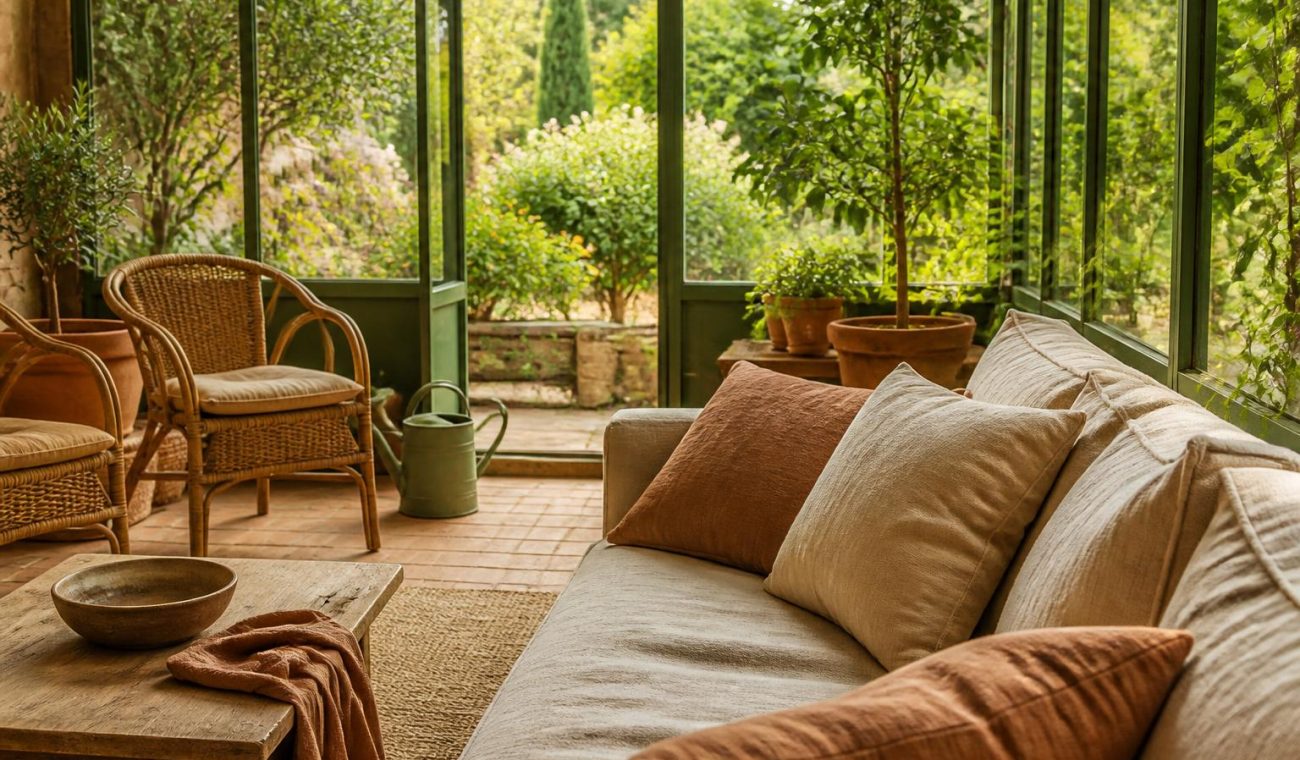
Outdoor furniture should endure weather while mirroring the comfort of indoor seating. Choose cushions with durable, weather-resistant fabric in colors that coordinate with indoor decor. Arrange seating to create intimate conversation areas and easy traffic flow, ensuring that tables and surfaces accommodate drinks, snacks, and occasional decor items that reflect your interior style.
Layer green walls or vertical plant installations near seating to blur the line between interior art and garden foliage. Use planters as sculptural elements that echo interior vases and containers, reinforcing the decor narrative across spaces. This thoughtful integration boosts usability, aesthetics, and a sense of place that feels intentional rather than ad hoc.
Texture and Character in Small Spaces
- Choose compact furniture with weatherproof finishes to maximize usability in tight yards.
- Incorporate vertical greenery to increase perceived space and add color without crowding the ground.
- Use cushions and textiles with subtle indoor patterns echoed in outdoor pillows for a unified look.