Navigating Mature Themes in Adult Anime: From Ecchi to Hentai and Beyond
A thoughtful guide to adult anime, exploring genres, pacing, and consentful storytelling in ecchi, hentai, and NSFW anime contexts.
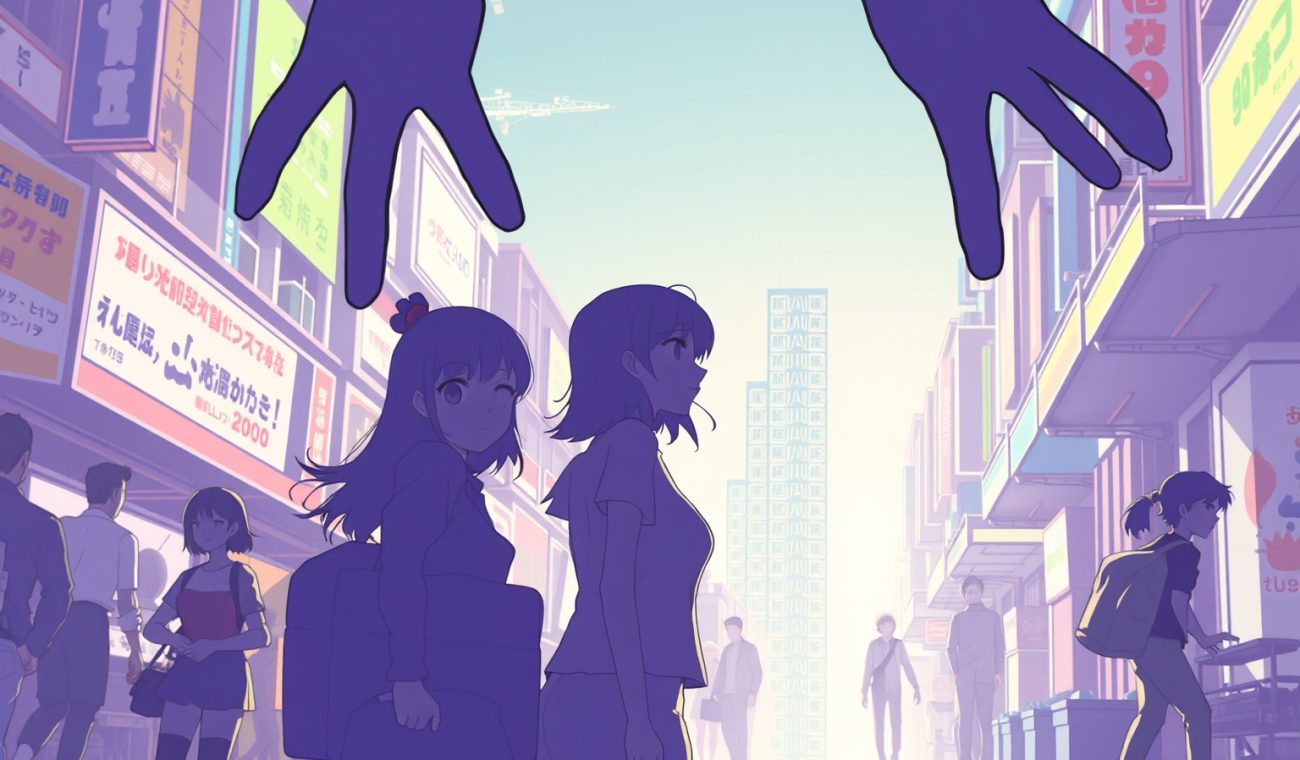
Opening landscape of adult anime and its cultural footprint
Adult anime has grown from niche fan circles into a broader conversation about storytelling, art style, and audience expectations. Across ecchi, hentai, and other NSFW subgenres, creators push boundaries while intertwining humor, drama, and character development to craft experiences that resonate beyond the screen. https://raw-hitomi01.com/d_789258/ The result is a spectrum where artistry and controversy collide, inviting viewers to discuss boundaries, consent, and the ethical presentation of mature themes in every frame. For a deeper look, see https://raw-hitomi01.com/d_789258/.
Within this spectrum, adult anime often treads carefully between suggestive visuals and explicit content, driven by both market demand and artistic curiosity. Fans encounter stories that range from lighthearted, flirtatious setups to darker, more complex narratives that scrutinize power dynamics, intimacy, and vulnerability. The genre’s evolution reflects changing attitudes toward sexuality and media literacy, challenging viewers to separate fantasy from real-world implications while appreciating design, pacing, and character arc.
Defining genres: ecchi, hentai, and their storytelling goals
Ecchi typically emphasizes playful suggestiveness, innuendo, and risqué humor without explicit sexual acts, offering a gateway into adult tone for broader audiences. Hentai, in contrast, foregrounds explicit sexual content and often explores more extreme or fantastical scenarios, demanding careful consent-based framing and viewer discretion. Both forms require a balance between provocative visuals and narrative stakes to avoid merely sensational appeal and instead serve character growth or thematic exploration.
Creators use pacing, composition, and dialogue to manage intensity, letting tension build through continued character interactions, moral conflict, or taboo situations. Art direction—such as color palettes, lighting, and perspective—can intensify mood, signaling shifts from humor to vulnerability or danger. In mature anime, aesthetic choices reinforce consent-informed storytelling, ensuring audiences can engage critically with what is depicted rather than passively consuming explicit content.
Character agency and consent within explicit material
Character agency remains central when adult themes are introduced, even in genres that push boundaries. A well-crafted scene respects consent, establishing clear, mutual interest and boundaries that characters articulate through dialogue or actions. When consent is present, scenes can explore intimacy as a dynamic of trust, communication, and mutual respect, turning potentially exploitative moments into meaningful character development and ethical discourse.
Conversely, scenes that mishandle consent risk normalizing harm or coercion, undermining audience trust and eroding the genre’s legitimacy. Writers and directors increasingly incorporate explicit consent signals, aftercare, and emotional payoff to reflect healthier relationships. Viewers benefit from critical engagement: questioning motive, checking for power imbalances, and recognizing when mature content serves narrative purpose rather than sensationalism.
Artistic craft: animation, score, and pacing in mature works
Animation quality significantly affects how adult themes land, with fluid motion, expressive faces, and deliberate framing guiding emotional response. A well-timed cut can heighten anticipation, while a lingering shot may invite viewers to absorb a character’s vulnerability. The accompanying score and sound design shape atmosphere, turning intimate or confrontational moments into memorable, immersive experiences that linger beyond the screen.
Pacing in mature anime must balance tension with relief, allowing characters to process emotions and readers to reflect on consequences. Writers leverage subplots, internal monologues, and visual motifs to reveal inner conflict without resorting to gratuitous scenes. This craftful approach elevates explicit content into a cohesive part of a larger narrative arc rather than an isolated spectacle.
Ethical storytelling and audience responsibility
Ethical storytelling in adult anime involves transparent audience expectations, clear content warnings, and respect for sensitive topics. Producers can promote responsible consumption by differentiating fantasy from real-world behavior, encouraging critical viewing and dialogue about consent, respect, and power dynamics. Engaging with mature material responsibly means recognizing the potential impact on viewers and choosing content that aligns with personal boundaries and values.
Audience responsibility also includes media literacy: identifying tropes, questioning sensationalism, and seeking diverse perspectives within the genre. When viewers engage thoughtfully, ecchi and hentai become vehicles for exploring intimacy, vulnerability, and ethical complexity rather than mere shock value. This mindset fosters healthier conversations about adult animation and its evolving role in contemporary media.
Global reach and community discourse around adult anime
Across cultures, fan communities discuss favorite scenes, character arcs, and the boundaries of taste, creating a vibrant ecosystem of theories, critiques, and fan art. Shared discussions help normalize nuanced conversations about adult anime, transforming private viewing into a collective learning process. Moderation, respectful debate, and clear guidelines keep communities welcoming while allowing robust examination of genre shifts and new storytelling experiments.
Creators respond to this discourse by experimenting with format, such as episodic arcs, spin-offs, or cross-genre blends, expanding what adult animation can express. The interplay between fan feedback and craft pushes studios to refine character development, consent narratives, and emotional honesty, ultimately broadening audience access to well-considered mature works rather than gratuitous content.
Industry trends: licensing, accessibility, and the evolving market
Licensing practices, digital distribution, and regional availability shape how audiences encounter adult anime. Platforms navigate legal and ethical constraints while balancing accessibility with safety, content rating, and parental controls. As distribution models evolve, producers experiment with episode length, release cadence, and supplemental materials to enhance comprehension and appreciation of mature storytelling across diverse markets.
Market trends increasingly emphasize high production values, tighter writing, and responsible depiction of intimacy. This signals a maturation of the genre, where fans expect consistent character work and thoughtful exploration of adult themes. With improved localization and accessibility, more viewers can engage with nuanced narratives that respect boundaries while offering compelling, mature entertainment.
Texture and reader guidance
- Respectful portrayal of intimacy: emphasize consent and mutual agency in scenes.
- Clear content cues: warn about explicit material without diminishing artistic intent.
- Critical viewing: analyze how visuals, sound, and dialogue convey emotion and ethics.
Keep reading
 Lifestyle
Living Well Through Design: A Practical Guide to Minimal Living, Travel, and Creative Living
 Lifestyle
Living Well, Designing a Thoughtful Life: A Practical Guide to Minimal Mindset and Gentle Travel
 Lifestyle