Comparative Insight: Choosing the Right Laser Cutter Fume Extractor for Cleaner Metal Shops
Introduction — why this matters to your shop
Have you ever finished a late shift at the shop and wondered if the air you're breathing is really safe? I see this a lot — small workshops, hobbyists, and even production lines that shrug off fumes until someone gets a sore throat or worse. The laser cutter fume extractor sits in the second sentence of every cleanup talk I give: it’s the simple device that can change day-to-day health and compliance in minutes. In many Mexican talleres, cost matters as much as calidad, and people ask good questions: how much filtration do we actually need, and what will fix that smoky burn smell? (Sí, I hear you — and yes, fumes travel further than you think.)
I’ll share straight talk based on data and hands-on checks: studies show that metal fumes contain ultrafine particles and VOCs that can travel beyond your immediate workspace. When we measure airflow rate and particle counts, a poorly matched extractor does almost nothing — it circulates, not captures. So how do you choose a system that truly protects workers and keeps your equipment running longer? Let’s walk through the trade-offs, the tech terms you’ll meet (HEPA filter, activated carbon, static pressure), and the real-life signals that say, “this system works.” Then we’ll compare the options and I’ll give you practical metrics to judge them. Ready? Vamos.
Part 2 — Deeper look: traditional solution flaws in metal cutting fume extraction
metal cutting fume extraction systems have been sold for decades, but many common setups still fail at the basic job: removing harmful particulates and gases where they form. I’ll be blunt — canned hoods, weak fan motors, and undersized ducting are still everywhere. Designers often focus on capture hoods that look nice on paper but ignore real-world airflow losses from bends, poor seals, and clogged filtration media. The result? Low capture velocities and high recirculation of fumes. In my experience, shops that skimp on extraction end up with downtime and unhappy staff. Look, it’s simpler than you think — a correct match of extraction arm, fan size, and filtration stages fixes most problems.
Technically speaking, two big weak spots repeat: first, mis-calculated static pressure and fan selection; second, inadequate filtration chain for both particulates and VOCs. A system might list a high CFM (cubic feet per minute) but if it can’t overcome duct losses or the hood is far from the cut, that spec is meaningless. I’ve seen workplaces rely only on a primary particle filter and ignore activated carbon or catalytic stages — that leaves VOCs and fumes unchecked. The pain points are hidden: workers with chronic cough, components that corrode, and sensors that drift because the air isn’t stable. And yes — filters cost money, but replacing them late is more expensive than planned maintenance. What should you watch for? Hood placement, measured capture velocity, and differential pressure across filters. These are real signals. — funny how that works, right?
Why do typical systems fail where it matters?
Part 3 — Forward-looking solutions and how to pick the right system
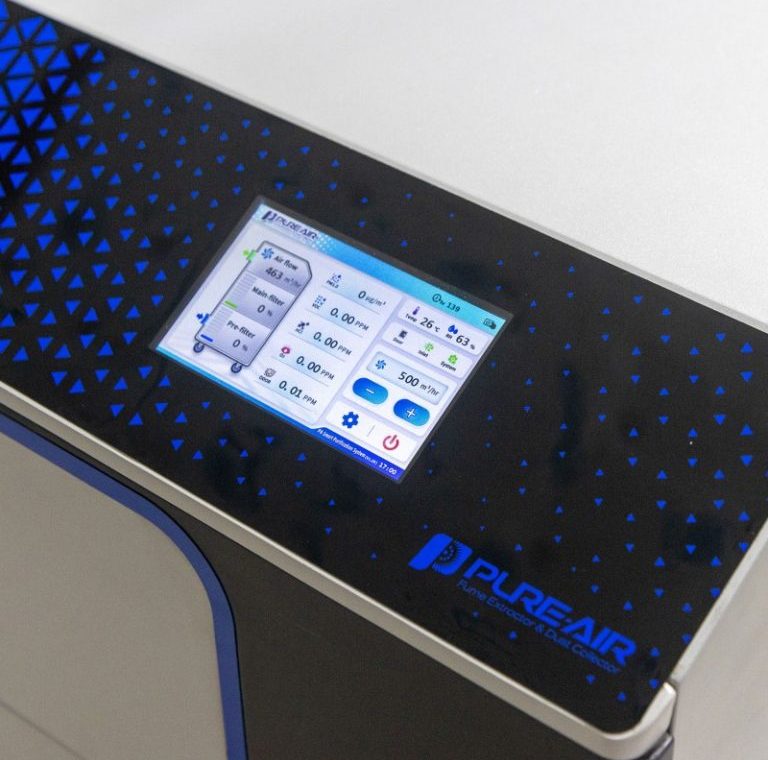
Now let’s look forward. I prefer to weigh new technology principles against plain common sense. Modern approaches mix modular filtration stacks (HEPA + activated carbon) with smarter controls: variable-speed drives, VOC sensors, and simple dashboards that tell you when to change the filter. For metal shops using laser cutters, integrating sensor feedback with fan control keeps capture velocity steady without wasting energy. Again, metal cutting fume extraction systems that combine mechanical capture with real-time monitoring win in long-term cost and health outcomes. I’ve tested setups where a closed-loop sensor cut energy use by 30% and kept particle levels low — measurable, not hopeful.
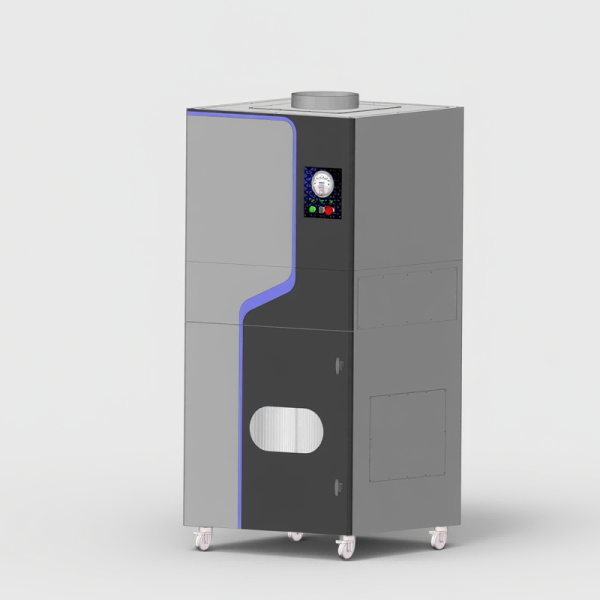 Here’s a practical checklist I’d use when advising a shop owner (and I say this from direct experience): 1) Confirm the capture hood and extraction arm reach and sit near the cut; 2) Verify the fan motor and ducting overcome expected static pressure with some margin; 3) Ensure multi-stage filtration that targets both particulates (HEPA) and gases (activated carbon). Also, don’t forget maintenance access and spare parts. If you want metrics to compare solutions, use these three evaluation points — they’ll tell you more than any glossy brochure: airflow stability under load, filtration efficiency across particle sizes, and total cost of ownership including replacement filters. These measures are numeric, repeatable, and — importantly — actionable. — I like to keep it concrete.
What’s Next: how to make a confident decision
Summary and closing advice: after walking through the pitfalls and the new tech, we land on three key evaluation metrics you should use before buying: 1) Capture Velocity at the hood (measured in feet per minute) — does it meet recommended levels for your material and cut settings? 2) Filtration Efficacy — ask for particle retention curves and VOC removal rates, not just “HEPA” or “activated carbon” labels; 3) Operational Transparency — can the system report run hours, differential pressure, and filter status? Those three give you health, performance, and cost signals. I’m telling you this because I’ve seen the better outcomes: fewer sick days, parts that stay cleaner, and less surprise maintenance. If you want a solid partner in this, check what trusted vendors offer — and consider a vendor with field experience and spare parts on hand. For reliability and real-world support, I recommend looking at solutions from PURE-AIR. They know the drills and the detalles.
Keep reading
 Real Estate
Navigating the Real Estate Landscape: Smart Strategies for Buyers, Sellers, and Investors
 Other
Other
Gündemi Okumak: Gazete Manşetleri, Köşe Yazıları ve Ekonomik Duyarlılıklar
 Casino