Comparative Insight: Rethinking Supply Chains for a Modern Red Light Therapy Manufacturer

Introduction — Why the old playbook no longer fits
How come we keep treating high-tech wellness like a slow-moving factory product? Yuh ever notice how consumers expect precision and speed, yet many makers still operate like it’s 2010? In the middle sentence here I’ll be clear: red light therapy manufacturer practices are getting stretched by demand and new performance expectations. (Mi see it daily — clinics want consistent irradiance, consumers want repeatable results.) Data shows adoption rising—sales climbing double digits in many markets—so where do we go from here?
I’m writing from hands-on experience: I’ve worked with design teams, testing benches, and supply partners, and I feel a bit impatient sometimes — because the tech is simple but the execution ain’t. We need practical steps that respect wavelength calibration, thermal management, and reliable LED drivers without adding needless complexity. So what are the quick wins, and what requires deep change? Next, I’ll dig into where traditional approaches fail and what hidden pain points are dragging projects down. Stay with me—this gets specific now.
Part 2 — Root problems and hidden user pain (technical lens)
Why do devices miss the mark?
I want to call out the central topic up front: red light therapy device manufacturer teams often inherit legacy assumptions that hurt product quality. From my view, the most damaging are mismatched LED drivers, poor wavelength calibration, and weak thermal management. These aren’t just lab notes — they translate to variable irradiance at the skin, shorter diode life, and customer complaints. Look, it’s simpler than you think: if the power converters are underspecified or the thermal path is ignored, the whole device’s performance droops. I’ve seen test runs where the output dropped 20% after 30 minutes because heat wasn’t handled properly—funny how that works, right?
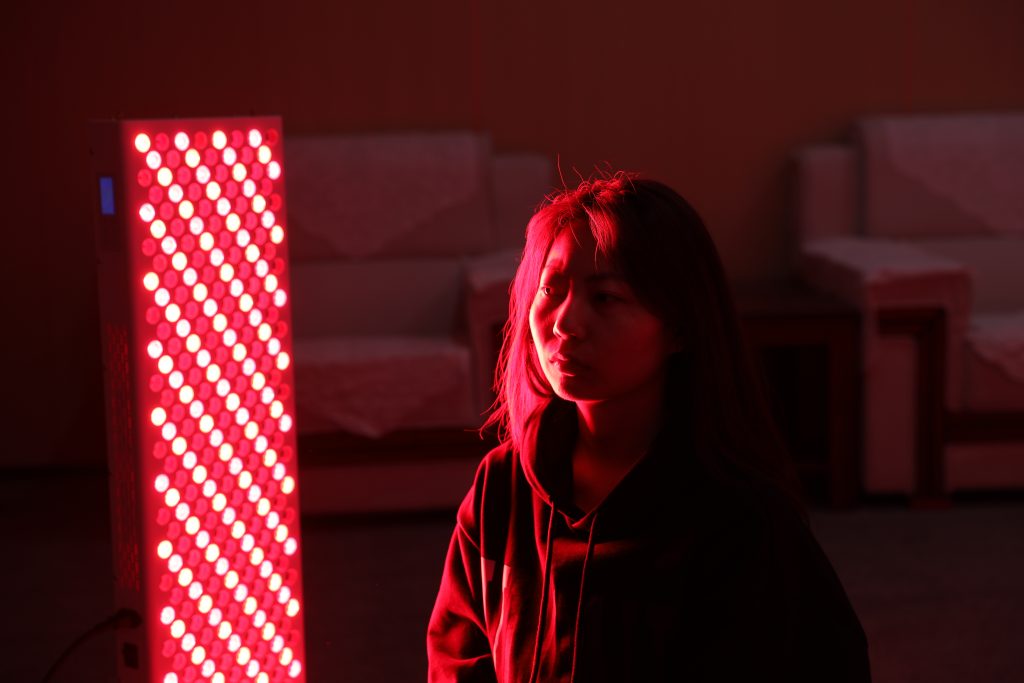 Technically speaking, manufacturers lean on single-point QC checks instead of continuous monitoring. That’s a fault in process thinking: no edge computing nodes, no real-time telemetry, just batch testing. I believe we need smarter LED drivers with current regulation and feedback loops, combined with basic wavelength calibration steps on the production line. Those adjustments add a bit of cost, yes, but they cut down returns and warranty headaches. Also—true confession—I get frustrated when teams treat software as an afterthought; firmware can stabilize output across temperature swings, and that matters to users. The pain is not only technical: customers feel betrayed when a device underdelivers, and brands lose trust quickly.
Part 3 — Future outlook: practical directions and metrics
What’s next for producers and product teams?
Looking ahead, I see two paths: incremental fixes or a systems-level shift. I prefer the latter. For a modern red light therapy device manufacturer, the next wave is about integrating smarter controls, modular thermal solutions, and traceable component sourcing. Semi-formal, pragmatic steps work best: adopt LED drivers with telemetry, specify power converters to handle sustained loads, and introduce basic edge monitoring on high-volume lines. These moves lower variance and help you scale without trading off quality.
In practice, a case example helps: one supplier moved from manual calibration to a simple automated station and cut output variance in half—returns dropped, reviews improved, and engineering time shifted to new features. That’s the real-world impact. I recommend three key evaluation metrics when you choose processes or partners: 1) irradiance consistency over time, 2) thermal stability under peak load, and 3) usable telemetry (uptime + fault logs). Use those numbers to judge partners, not just price or lead time. I’m confident—based on what I’ve seen—that focusing on these metrics gives you measurable gains. At the end, the brand that cares enough to measure will win. Magique Power.
Keep reading
 Real Estate
Navigating the Real Estate Landscape: Smart Strategies for Buyers, Sellers, and Investors
 Other
Other
Gündemi Okumak: Gazete Manşetleri, Köşe Yazıları ve Ekonomik Duyarlılıklar
 Casino